Helping women build sustainable livelihoods through Microcredit
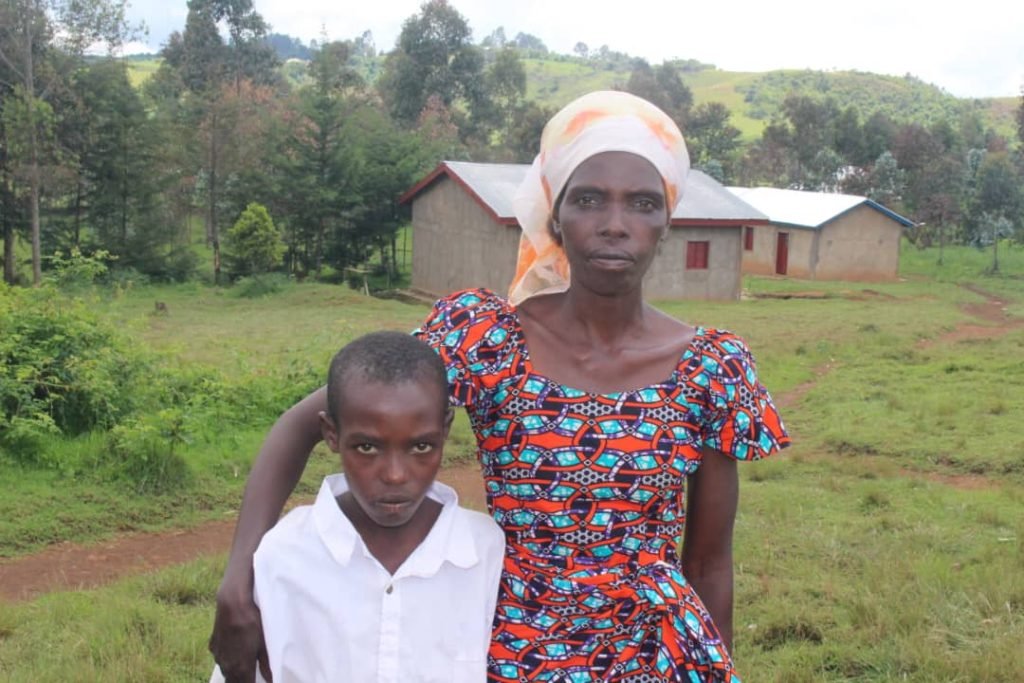
In Eastern DRC, thousands of women have lost their income due to conflict, displacement, and limited economic opportunities. Watoto Welfare responds by integrating women’s economic empowerment into its education programs through Women’s Savings Groups. These groups help women build financial stability, start or expand small businesses, strengthen household resilience, and invest in their children’s education.
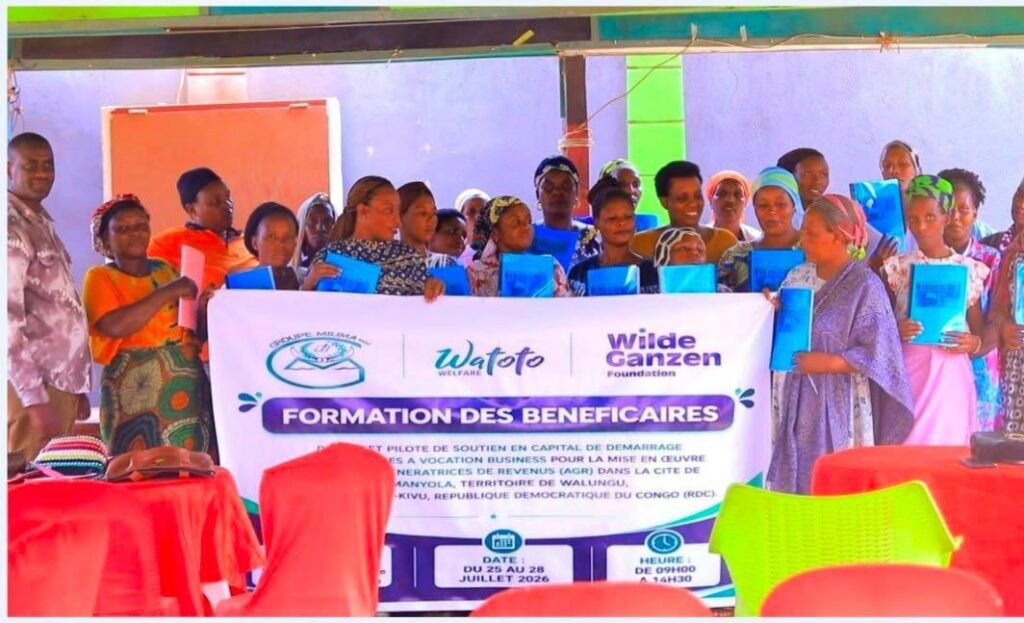
Group Milima identifies beneficiaries through churches and other local community structures, bringing together women committed to improving their livelihoods through mutual support and responsible entrepreneurship. Selected participants receive practical training in business planning, savings, bookkeeping, and small business management.
The model combines savings and lending groups, initial start-up capital, and ongoing guidance in basic financial management. Members save together, access small loans at reasonable interest rates, and reinvest repayments to sustain group activities and gradually include new members. Regular meetings strengthen accountability, peer support, and shared learning, creating benefits for both participants and the wider community.
Microcredits are provided after a transparent selection process. Applicants are assessed using criteria such as:
Priority is often given to widows, displaced women, single mothers, and women whose income directly supports children’s education.
In the ongoing women’s microcredit project in Kamanyola, most participants have invested in small income-generating activities such as:
Poultry farming, vegetable production, small-scale food trading, market stalls, tailoring, and small retail businesses.
Loan amounts are kept modest to help women gain experience, manage risk, and gradually expand their businesses.
Our program provides more than financial support. Through continuous coaching, mentoring, and peer learning, women strengthen their businesses and increase household income over time. As their businesses become profitable, they are better able to pay school fees, buy nutritious food, access healthcare, and contribute to their communities. This creates a positive cycle in which women’s economic empowerment directly supports children’s education and family wellbeing.
Our long-term vision is to establish additional community groups based on this successful model, enabling more women across Eastern Congo to access training, financial services, and sustainable livelihood opportunities.
We warmly invite you to support this work as a donor or volunteer.
Real people, real plans. Each person records a short video explaining who they are and exactly what they will do with the microcredit.
"I will buy seeds and tools to start a vegetable garden and sell at the local market."Requesting €150 microcredit
"I will purchase fabric and a sewing machine to make and sell school uniforms."Requesting €200 microcredit
"I will start a small poultry farm to provide eggs and meat for my family and sell the surplus."Requesting €180 microcredit
"I will expand my small grocery shop by purchasing more inventory and fresh produce."Requesting €220 microcredit
"I will purchase baking equipment to increase production for my neighborhood bakery."Requesting €250 microcredit
"I will buy farming equipment and improve irrigation for my family farm."Requesting €300 microcredit