Children in Minembwe bear the brunt of ongoing violence
 Rugwegwe Ngirumuvugizi
Minembwe – While the world celebrated Christmas and welcomed the New Year, thousands of residents of Minembwe and surrounding areas spent these days in abject misery, far away from their villages.
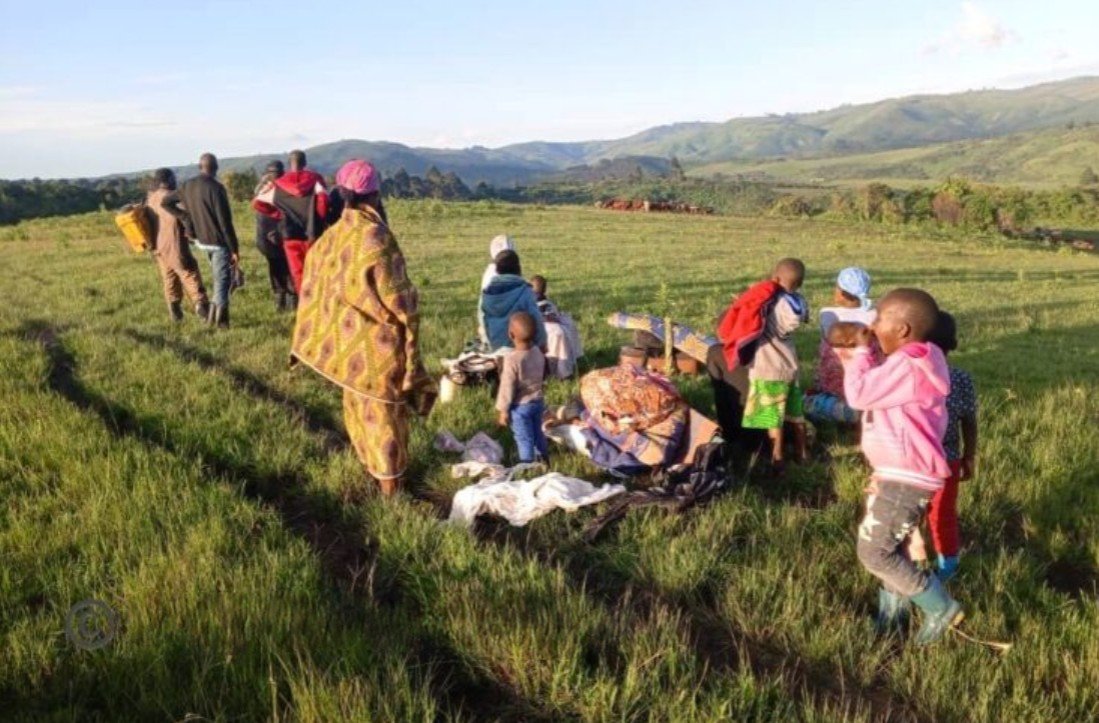
Since December 25, thousands of members of the Banyamulenge community have been forced to flee their homes due to ongoing fighting between the Congolese Armed Forces (FARDC) and the Twirwaneho militias. Instead of shelter and safety, many have found an uncertain future in makeshift shelters, schools and churches. Some even have no roof over their heads, sleeping rough in the rainy forests of South Kivu.

Separated families and vulnerable children
The situation is particularly dire for children. When the violence broke out, most families were in church celebrating Christmas. Many of them were separated from their parents in the panic of the fighting. These children were left in limbo, without food, medical care or any form of protection.
“Many children are traumatized and in life-threatening conditions,” said a local aid worker. “They were sleeping outside, without protection from the bad weather. The risk of illness is high.”
Mass displacement and dire need for aid
The unrest in Minembwe is part of a broader crisis in South Kivu. On December 16, an estimated 19,000 people were displaced from their villages by fighting between armed groups. A week later, on December 26, a military operation in Minembwe-Central led to further displacement in Fizi territory. Meanwhile, in Mwenga, more than 18,000 people have been displaced by fighting in the Mbandala region since December 20.
Despite the scale of the crisis, the displaced lack essential aid. Basic supplies such as food, water and medicine are scarce. The situation is exacerbated by the rainy season, which further worsens living conditions in the forests.
Return and recovery
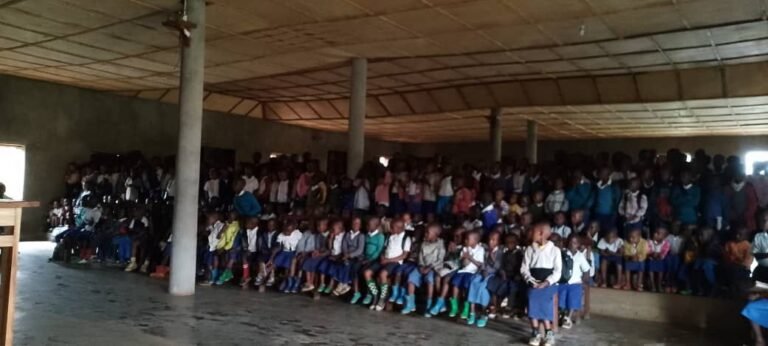
It has recently become apparent that many children and their families have returned home. Schools in the region are slowly but surely picking up the thread again. The care provided at these schools is now of crucial importance to work on a different future perspective. Through education and support, children and their families can process their traumas and build a better future.
Call to action
While the return is a positive sign, the situation remains fragile. We want to work with local communities to provide the necessary humanitarian assistance. There is a continued need for food, clean water, medical care and safe shelters. In addition, it is essential to invest in education and psychosocial support to help affected communities recover.